Indonesia intensifies tuberculosis battle with national strategy, vaccine innovation

by Nurul Fitri Ramadhani
JAKARTA, March 24 (Xinhua) — Indonesia is intensifying its fight against tuberculosis (TB) as the country marks World TB Day on Tuesday, rolling out a series of strategic measures to curb infections, improve case detection, and accelerate progress toward its ambitious goal of eliminating the disease by 2030.
TB remains a major public health challenge in Indonesia. According to the Global TB Report 2024, the country has the second-highest TB burden in the world, after India. It is estimated to record around 1.09 million TB cases and 125,000 deaths each year, equivalent to roughly 14 deaths every hour.
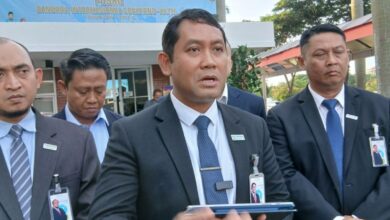
“The medicine exists and is very effective, but the disease has never been fully resolved,” Indonesian Minister of Health Budi Gunadi Sadikin said during a recent hearing in the House of Representatives in Jakarta.
He stressed that Indonesia is stepping up efforts to tackle the high number of cases through coordinated national strategies and improvements in health system performance. The country is working to ensure that one million TB patients are identified and linked to treatment within a year, with a treatment success rate targeted at 90 percent, he added.
Indonesia’s anti-TB strategy includes the development of the National TB Strategic Plan 2025-2029, formulated based on the findings of a national TB program review conducted with support from the World Health Organization (WHO).
The plan focuses on assessing progress, identifying systemic gaps, and outlining priority actions to strengthen the national TB response, enhance case detection, improve treatment outcomes, and boost community engagement.
Indonesia is also advancing regulatory and financing reforms to support TB elimination. A joint program review by the WHO recommended updating the 2021 presidential regulation on TB to strengthen legal authority, secure sustainable funding and improve coordination. It also called for expanded screening, faster referrals and reduced diagnostic delays to narrow the gap between estimated and reported cases.
Since mid-2025, Indonesia has strengthened surveillance and data systems as part of its anti-TB efforts. Health authorities are integrating the national TB Information System (SITB) into the broader Satu Sehat digital health platform to ensure more accurate and timely reporting across public and private healthcare facilities.
Improved data systems are expected to help identify undiagnosed patients and allocate resources more effectively, particularly among vulnerable groups such as children and people living with HIV.
Officials noted that underreporting and underdiagnosis remain significant challenges, with at least one in four TB cases previously going undetected. By enhancing surveillance and expanding digital integration, the Indonesian government aims to ensure that no patient is left untreated and to curb ongoing transmission in communities.
The country is also scaling up community-level interventions by strengthening village health systems, raising public awareness, and addressing upstream determinants such as smoking, undernutrition, diabetes, and alcohol use disorder, all of which are known to increase TB risk. These community-based measures are seen as crucial to preventing new infections and ensuring treatment adherence.
In addition to improving treatment and prevention, Indonesia is investing in innovation, particularly in vaccine development, and is preparing for the potential introduction of a TB vaccine by 2028 or 2029.
The TB vaccine candidate M72/AS01E has entered phase 3 clinical trials in Indonesia, marking a critical step toward potential large-scale approval and use. The trials involve more than 2,000 participants nationwide and are expected to be completed around 2028, paving the way for broader implementation if proven safe and effective.
Health expert and Chair of the honorary board of the Indonesian Society of Respirology, Tjandra Yoga Aditama, said the new vaccine is designed to prevent tuberculosis in adults and could potentially replace the existing BCG vaccine, while also serving as a booster to enhance its protective effect.
“The new vaccine is also expected to function as a form of immunotherapy or adjuvant treatment, helping to shorten the duration of TB treatment,” he said.
Source link