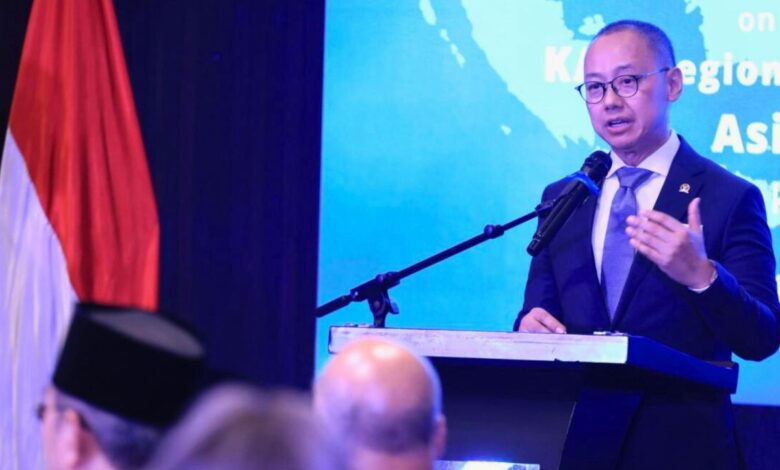
“This policy will definitely cut fuel consumption nationally, as it is expected to reduce public mobility, particularly that of workers,” he told ANTARA when contacted from Jakarta on Monday.
He suggested extending the policy to schools, noting the potential benefits of remote learning to further boost efficiency in fuel use nationwide.
However, the lawmaker stressed that the government must ensure the WFH scheme does not hinder economic activity.
“We cannot afford to see an economic slowdown. It is particularly important for the industry and manufacturing sectors to continue operating,” Soeparno said.
During a plenary cabinet meeting at the State Palace on March 13, President Prabowo Subianto instructed aides to devise strategies to anticipate impacts from the Middle East conflict, highlighting the need to consider applying a WFH policy to cut fuel consumption.
Coordinating Minister for Economic Affairs Airlangga Hartarto later announced on March 21 that the government had decided to impose the WFH option on civil servants after Eid, to be implemented one day a week. The arrangement is advisory for the private sector.
He added that the Manpower Ministry and Home Affairs Ministry would coordinate to oversee the implementation of the policy.
Meanwhile, Finance Minister Purbaya Yudhi Sadewa confirmed the arrangement could help Indonesia conserve energy. He noted the government set it as a one-day mandatory scheme to balance flexibility with productivity.
He pointed out that if institutions apply the scheme on Friday, it would extend the weekend to three days, creating potential stimuli for the tourism sector.
Related news: Indonesia eyes WFH mandate to cut fuel use as oil prices surge
Related news: Indonesia considers WFH to curb fuel use amid oil risks
Related news: Prabowo suggests fuel savings, considers WFH amid Middle East crisis
Translator: Putu Indah, Tegar Nurfitra
Editor: Azis Kurmala
Copyright © ANTARA 2026
Source link