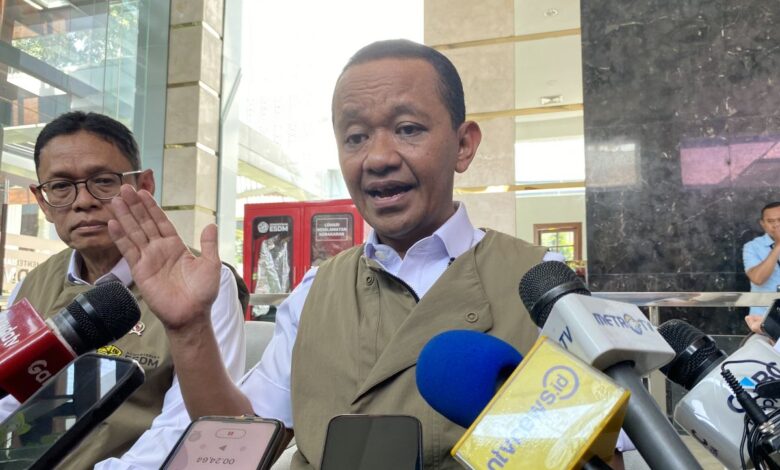
Energy and Mineral Resources Minister Bahlil Lahadalia said the government is reviewing several policy options, including remote working arrangements, as part of broader efforts to reduce fuel demand.
“We are mulling several steps, including WFH, which I see as a feasible option. Most importantly, we must act on fuel savings,” he said in Jakarta.
Despite growing concerns over a possible energy crunch, Lahadalia assured that domestic supplies of gasoline, liquefied petroleum gas (LPG), and coal for power plants remain sufficient through the 2026 Eid al-Fitr period.
“Additional LPG shipments will arrive later this month to meet demand ahead of Eid. We have also secured coal supplies to run power plants for 14 to 15 days, in line with the national minimum,” he said.
The minister added that the government plans to maintain fuel subsidies at least until the end of the holiday season, with a broader evaluation of energy reserves scheduled after March.
“Rest assured, we are preparing short-, medium-, and long-term strategies. We have also outlined plans for developments beyond March,” he said.
Related news: RI Govt says fuel prices stable despite ongoing Mideast conflict
Lahadalia expressed cautious optimism about global energy stability, citing signals that Iran may allow safe passage for oil tankers from countries other than Israel and the United States through the Strait of Hormuz.
The comments came after President Prabowo Subianto called for anticipatory measures to safeguard national energy security.
At a cabinet plenary meeting on March 13, Prabowo urged ministers to consider WFH policies, recalling that mobility restrictions during the COVID-19 pandemic helped Indonesia significantly reduce fuel consumption.
The government is now weighing whether similar measures could be adapted to current conditions to ease pressure on energy demand.
Officials say any decision will balance economic activity with the need to maintain adequate energy supplies and shield consumers from potential price shocks.
Indonesia, Southeast Asia’s largest economy, remains vulnerable to external energy shocks due to its reliance on global oil markets, despite ongoing efforts to strengthen domestic resilience.
Related news: Indonesia moves to cut fuel use amid rising Middle East energy crisis
Translator: Shofi Ayudiana, Tegar Nurfitra
Editor: Rahmad Nasution
Copyright © ANTARA 2026
Source link